




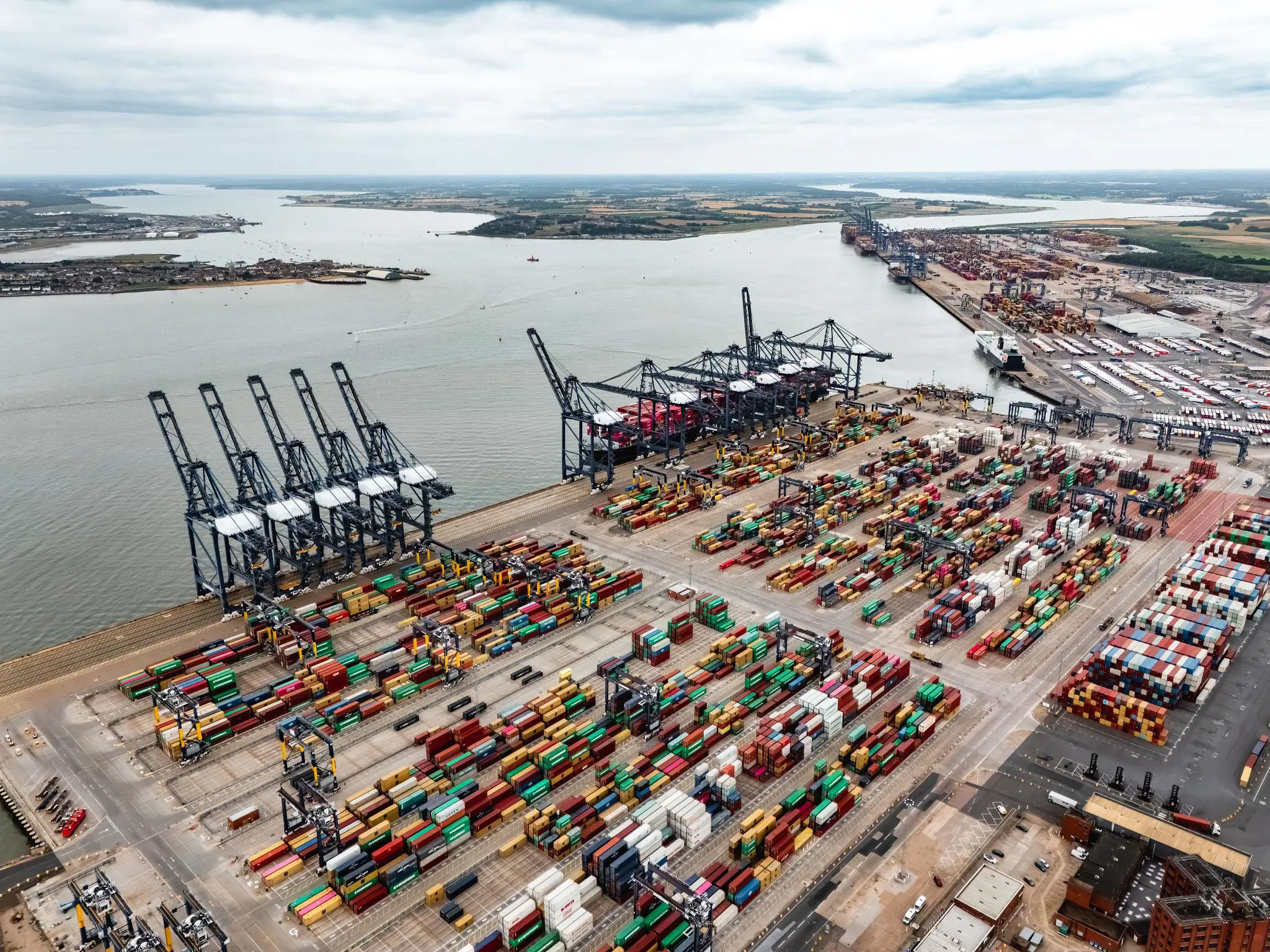
The Rise of Geoeconomics: When Economic Power Shapes the Global Order
The global balance of power is increasingly being shaped not only by military capabilities and political alliances, but also by economic influence, financial networks, technological control, and access to strategic resources.
This transformation marks the growing importance of Geoeconomics: the intersection of economic instruments and geopolitical objectives.
Trade restrictions, financial sanctions, investment policies, energy dependencies, control over critical minerals, and supply-chain positioning have become important instruments through which countries pursue their strategic interests.
As a result, international commerce is entering a new era in which economic connectivity can create both opportunities and vulnerabilities.
The World Business Organization (WBO) believes that the future of global economic stability requires a more diversified, interconnected, and resilient trade architecture.
Through initiatives such as the Global Network of Secure Smart Trade Cities, international business standards, and independent trade finance infrastructure, WBO aims to strengthen commercial connectivity and facilitate cooperation across economic regions.
The future of global power will increasingly depend on who connects economies, controls critical infrastructure, and shapes the networks through which international trade operates.