




War-Driven Economic Pressure Reshapes Midterm Electoral Landscape
November 2026 | WBO Times – Economic and Political Analysis
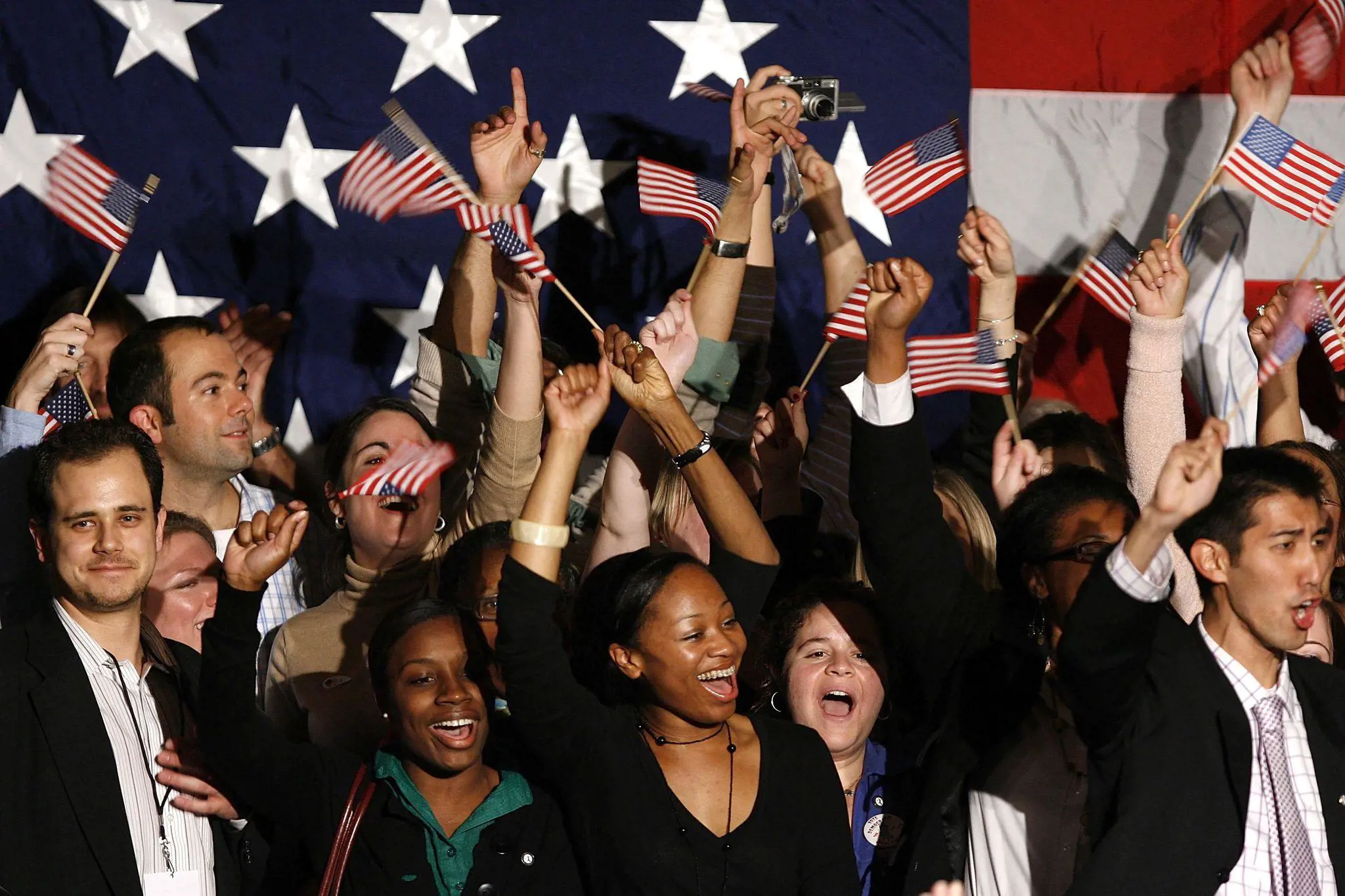
The Democratic Party’s victory in the 2026 U.S. midterm elections has exposed an important connection between foreign military interventions and domestic economic stability. By securing control of both the House of Representatives and the Senate, Democrats delivered a major political setback to President Donald Trump. Among the factors contributing to this outcome, the economic consequences of the war with Iran appear to have played a particularly significant role.
The conflict demonstrated how a military operation thousands of miles away can rapidly become a domestic economic problem.
From Military Conflict to Household Financial Pressure
The war disrupted energy markets and intensified uncertainty surrounding oil and gas transportation through the Persian Gulf, particularly the Strait of Hormuz. The resulting supply disruptions and geopolitical risk contributed to rising fuel prices in the United States.
However, the consequences extended beyond gasoline stations. Higher energy costs increased transportation and production expenses, placing additional pressure on businesses and consumers. For households already struggling with accumulated inflation, these developments further weakened purchasing power.
The economic burden was therefore not limited to the direct cost of fuel. It affected the broader cost structure of the economy, reinforcing public concerns about food prices, transportation, utilities and everyday expenses.
The Political Cost of External Military Commitments
Military operations also create substantial fiscal demands. As public attention shifted toward the economic consequences of the conflict, questions emerged about the administration’s spending priorities and the relationship between overseas military commitments and domestic needs.
For many voters, the central question was no longer exclusively whether the United States could achieve its strategic objectives in Iran. It was whether those objectives justified the economic costs being transferred to American households.
This distinction is politically important. Governments may persuade parts of the population that military action serves national security, but public support becomes more difficult to sustain when citizens experience its consequences directly through higher living costs.
A June 2026 analysis by the Brookings Institution had already warned that the Iran war was damaging perceptions of Trump's presidency through rising energy prices, inflation and military expenditure. By the time voters went to the polls, these concerns had become central to the political debate.
A Referendum on Economic Priorities
The election results suggest that economic security remained a decisive consideration for many American voters. The war did not operate as an isolated electoral issue; rather, it amplified existing dissatisfaction with inflation, trade tariffs and the administration's economic management.
This interaction is particularly important. A foreign policy decision can become an electoral liability when its economic consequences reinforce problems that voters already associate with their government's performance.
The 2026 election therefore offers a broader lesson: military power does not automatically translate into domestic political strength. The economic resilience of households and businesses remains an essential component of national security and political legitimacy.
What Comes Next?
Democratic control of Congress will give the opposition greater influence over government spending, military appropriations and oversight of the administration's foreign policy.
The extent to which Congress can change the direction of the conflict remains uncertain. Nevertheless, the election has made one political reality considerably clearer: the economic consequences of the war can no longer be separated from the domestic debate over America's strategic priorities.
For the Trump administration, restoring economic confidence may now be as important as defending its military and geopolitical decisions.