




Trump’s Economic Agenda and America’s Future
A New Direction for the American Economy
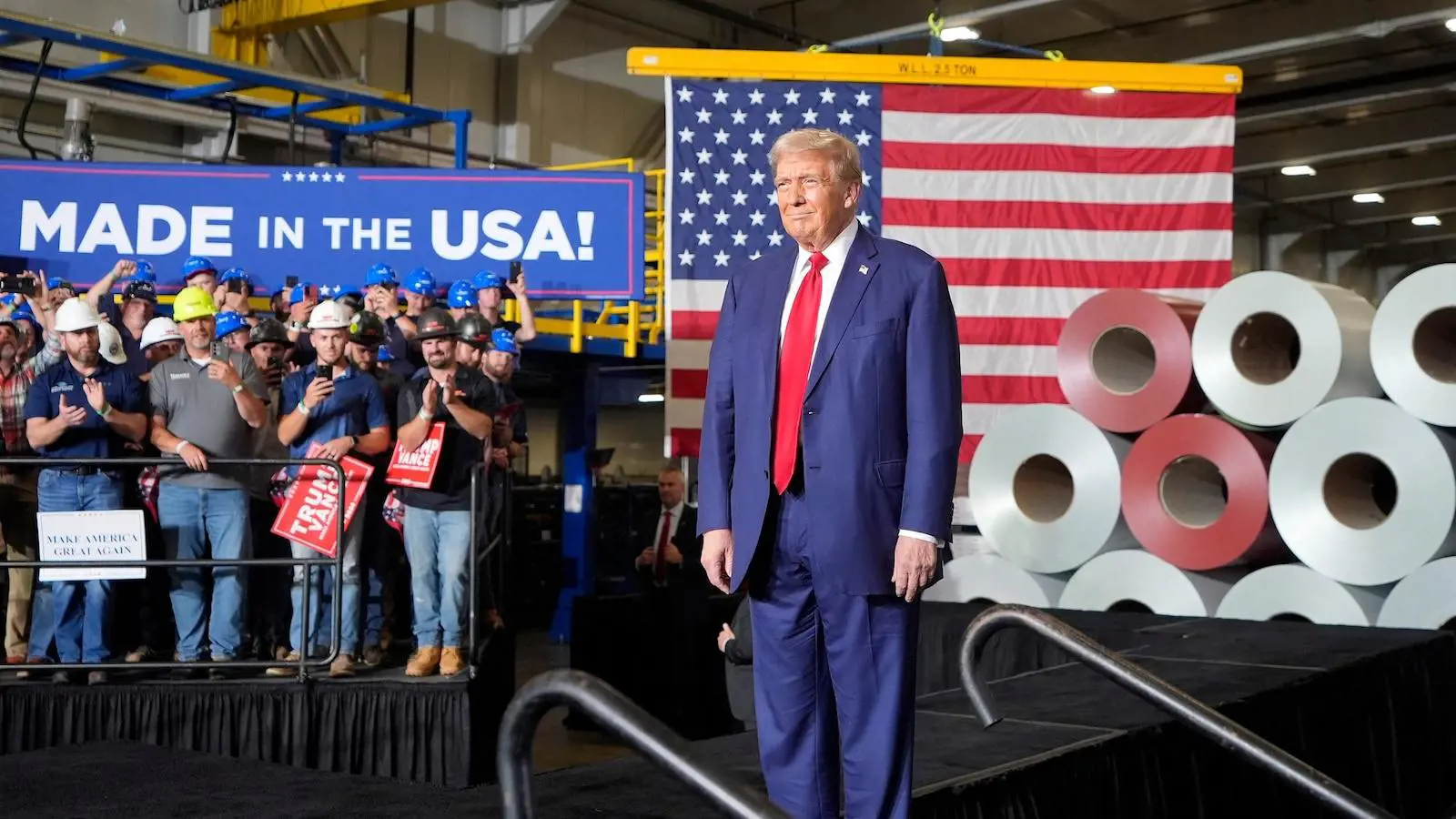
The United States is experiencing a significant economic transformation under President Donald Trump's second administration. His economic agenda, built around the principle of "America First," seeks to strengthen domestic manufacturing, attract investment, protect strategic industries and reshape the country's position in international trade.
The administration has introduced substantial changes to trade policy, taxation, immigration and federal spending. These measures are intended to encourage domestic production, improve industrial competitiveness and reinforce America's economic independence.
However, their long-term consequences remain a subject of economic debate, particularly as businesses and international investors navigate changing regulations and trade relationships.
Trade Policy and Industrial Competitiveness
One of the most prominent elements of Trump's strategy is the use of import tariffs to encourage domestic manufacturing and renegotiate international trade relationships.
The administration argues that trade protection measures can strengthen American industries, support domestic employment and reduce strategic dependence on foreign suppliers.
Nevertheless, higher import costs can also affect American manufacturers that rely on international components, increase consumer prices and create uncertainty for global supply chains.
The US Supreme Court's February 2026 decision invalidating the administration's broad emergency tariffs further demonstrated the importance of legal certainty in economic policymaking. Subsequent tariff measures have continued to shape trade discussions and business planning.
Technology and the Next Generation of Growth
Despite trade-related uncertainties, technological investment remains a major source of American economic expansion.
Artificial intelligence, semiconductor development, cloud infrastructure, advanced manufacturing and data centers are attracting substantial capital investment.
According to Deloitte's 2026 economic assessment, AI-related investment has become an important contributor to US economic growth. The expansion of these industries could strengthen productivity, create new business opportunities and reinforce America's position in the global technology economy.
However, ensuring that technological progress translates into broader employment opportunities and improved living standards remains an important policy challenge.
The Economic Challenges Ahead
The American economy continues to face several structural pressures, including inflation, employment uncertainty, high public debt and the cost of financing government expenditure.
The OECD's June 2026 outlook projected US economic growth of approximately 2% for 2026 and 1.8% for 2027, while identifying inflationary pressures, geopolitical uncertainty and fiscal deficits as significant risks.
These developments suggest that the future performance of the US economy will depend not only on industrial expansion but also on fiscal discipline, monetary stability and the confidence of businesses and consumers.
WBO Perspective: Sustainable Growth Through Global Cooperation
The World Business Organization (WBO) recognizes the United States as one of the most influential centers of global investment, innovation and international commerce.
WBO supports policies that strengthen productive industries, encourage technological innovation, promote entrepreneurship and create employment opportunities.
At the same time, the Organization emphasizes that sustainable economic leadership requires predictable trade regulations, transparent investment frameworks and constructive international commercial relationships.
WBO believes that strengthening American industries and maintaining international economic cooperation should be complementary objectives rather than competing priorities.
The Organization encourages the US administration to pursue practical trade agreements, expand investment partnerships, support small and medium-sized enterprises and maintain constructive economic dialogue with major trading partners.
The Road Ahead for the US Economy
The future of the American economy will depend on how effectively the country balances domestic industrial development with international economic integration.
Strategic investment in artificial intelligence, energy, infrastructure and advanced manufacturing offers considerable opportunities. However, managing inflation, public debt and trade uncertainty will remain essential.
From WBO's perspective, America's long-term economic strength will be determined by its ability to combine technological leadership, domestic prosperity and constructive participation in the global economy.
A competitive American economy can create opportunities far beyond its borders, benefiting international businesses, investors and trading partners.