



America’s Economic Discontent and Political Future
Economic Pressure Becomes a Political Challenge
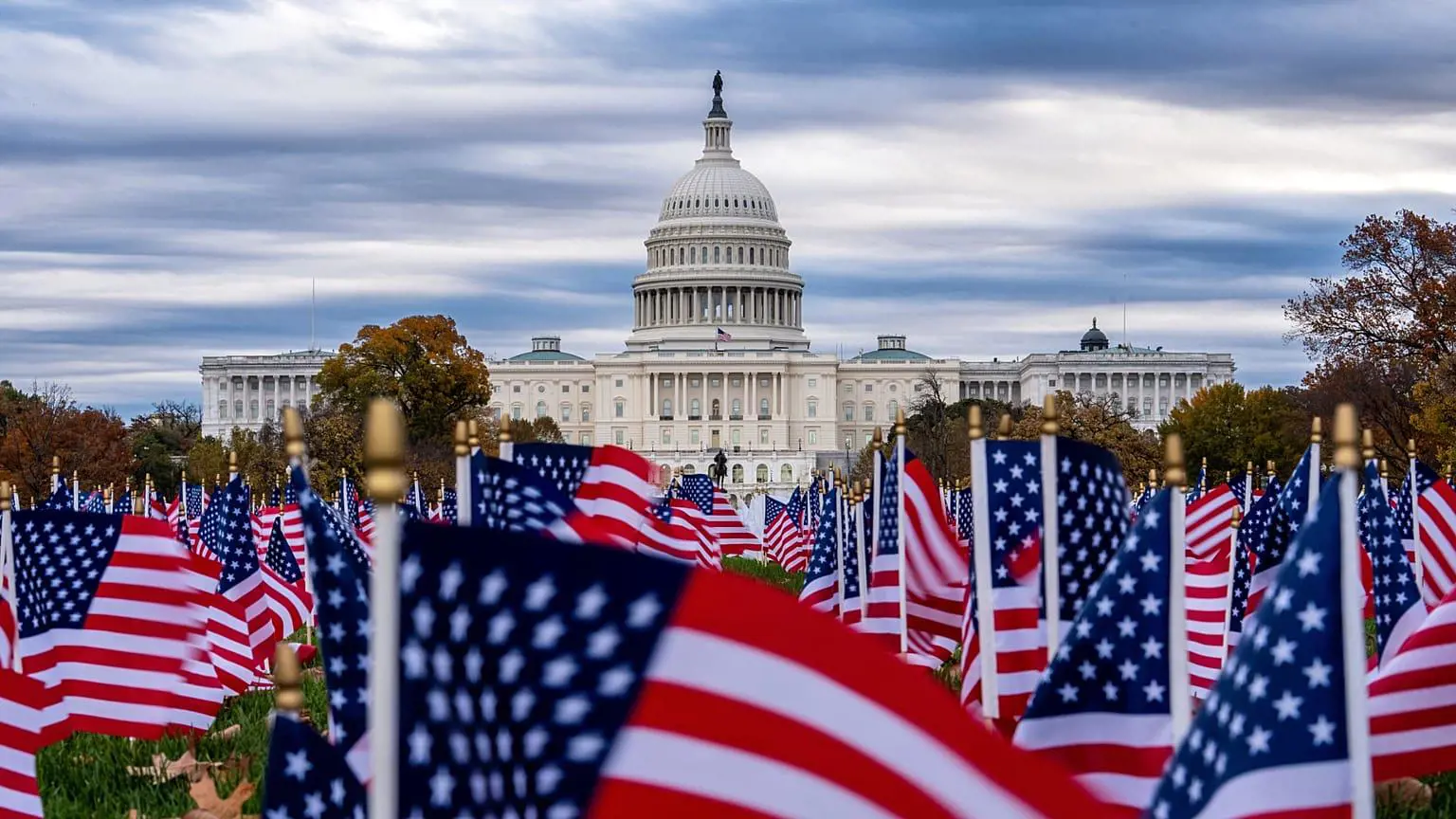
Growing financial pressure on American households is becoming a defining factor in the country's political landscape. Rising housing costs, healthcare expenses, food prices, and concerns about employment security have increased public dissatisfaction and placed economic performance at the center of the 2026 midterm elections.
According to an October 2026 AP-NORC survey, 85% of voters consider the economy one of the most important issues in their electoral decisions, while 84% identify the cost of living as a major concern. Furthermore, 80% of respondents believe the country needs substantial change in how it is governed. These findings demonstrate the extent to which economic expectations are influencing public attitudes.
Two Political Parties, Different Economic Approaches
The November 3 elections will determine whether Republicans maintain control of Congress or Democrats gain control of one or both legislative chambers.
If Republicans retain their congressional majorities, the administration is likely to have greater legislative opportunities to pursue its existing economic priorities. These include extending tax reductions, reducing regulatory restrictions, strengthening domestic manufacturing, expanding traditional energy production and maintaining a restrictive approach to immigration.
Such policies could encourage investment in selected American industries. However, their impact on household purchasing power, public expenditure and international trade will remain important considerations.
A Democratic victory in Congress would create a different political environment. Democratic lawmakers are expected to prioritize affordability, healthcare access, housing costs, employment protections and greater oversight of the administration's economic policies.
This could lead to increased legislative negotiations, closer scrutiny of federal spending and renewed debate over taxation, social programs and trade policy.
Importantly, a Democratic victory would not automatically reverse presidential policies. President Trump would remain in office, and major legislative changes would require congressional approval and, in many cases, negotiations with the White House.
Implications for International Business
The election's consequences will extend beyond domestic politics.
Changes in congressional control could influence US trade negotiations, investment incentives, industrial subsidies, energy policy and America's economic relationships with China, Europe and other major trading partners.
For international investors, the most important concern is policy predictability. Frequent changes in regulations, taxation and trade arrangements can increase business costs and complicate long-term investment decisions.
WBO Perspective: Economic Stability Beyond Political Competition
The World Business Organization (WBO) believes that economic prosperity should remain a shared national objective regardless of which political party controls Congress.
WBO emphasizes that American economic policy should prioritize household purchasing power, productive investment, employment creation, entrepreneurship and predictable international trade relationships.
The Organization recommends five practical priorities:
-
Household Economic Security: Develop targeted measures to reduce essential living costs, particularly housing, healthcare and energy expenses.
-
Business and Employment Development: Expand financing opportunities for small businesses, startups and job-creating industries.
-
Fiscal Responsibility: Improve public expenditure efficiency while maintaining essential social and economic services.
-
Trade Policy Stability: Establish predictable international trade regulations and strengthen commercial dialogue with major economic partners.
-
Technology and Workforce Development: Increase investment in artificial intelligence, advanced manufacturing and professional training to prepare American workers for future industries.
America's Economic Future
Regardless of the election outcome, the United States faces an important economic challenge: translating its technological, financial and industrial strengths into tangible improvements in citizens' living standards.
WBO considers constructive cooperation between political institutions, the private sector and international economic partners essential to achieving this objective.
The future of the American economy will depend not simply on which political party wins congressional control, but on whether the country's economic leadership can establish a sustainable balance between domestic prosperity, fiscal stability and international economic cooperation.