


Global Markets Under Pressure: Structural Challenges, Economic Uncertainty, and the WBO’s Strategic Response
October 18, 2026 | Global Markets & Trade Analysis | World Business Organization (WBO)
A Global Economy Facing Multiple Sources of Instability
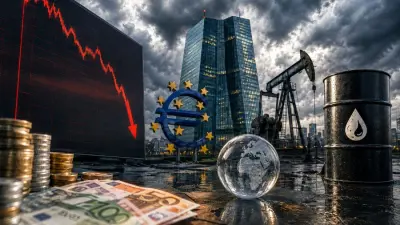
Global markets are confronting a complex combination of geopolitical tensions, elevated energy prices, persistent inflation, rising borrowing costs, trade restrictions, and uncertainty surrounding investment returns. Although economic activity has demonstrated resilience, the interaction of these pressures is creating new challenges for governments, investors, manufacturers, and international businesses.
According to the International Monetary Fund’s October 2026 World Economic Outlook, global economic growth is projected to reach 3.1% in 2026, while global headline inflation is expected to rise to 4.7%. The IMF identifies escalating conflicts, renewed trade tensions, fiscal vulnerabilities, and uncertainty surrounding artificial intelligence investment as significant risks to the global outlook. These projections underline the growing importance of resilience and international economic coordination.
Five Challenges Reshaping Global Markets
- Geopolitical Tensions and Energy Price Volatility:
Conflicts and disruptions to critical shipping routes can increase energy prices, raise transportation costs, and destabilize supply chains. Energy-importing economies and businesses operating with limited financial reserves are particularly exposed to these shocks. Higher production and logistics costs can ultimately affect consumer prices and international competitiveness. - Rising Financing Costs and Debt Pressures:
Elevated government bond yields and borrowing costs are restricting the financial flexibility of governments and businesses. Companies may postpone investment, limit expansion, or struggle to refinance existing obligations, while developing economies face additional challenges in financing infrastructure and productive capacity. - Trade Fragmentation and Regulatory Uncertainty:
Increasing trade restrictions, competing industrial policies, and geopolitical divisions are changing traditional commercial relationships. Businesses must navigate more complex regulatory environments while reassessing suppliers, production locations, export destinations, and investment strategies. A more fragmented trading system also risks reducing opportunities for smaller economies and internationally connected enterprises. - Concentration of Investment in Artificial Intelligence:
Investment in artificial intelligence is supporting economic activity and creating new commercial opportunities. However, concentrated investment, elevated asset valuations, and uncertainty about future profitability could expose financial markets to corrections. Unequal access to advanced technologies may also widen the gap between economies participating in emerging technology supply chains and those unable to benefit from them. - Unequal Access to Global Opportunities:
Many businesses, particularly small and medium-sized enterprises, lack the financial resources, market intelligence, international networks, and institutional support available to larger corporations. This limits their ability to diversify markets, manage external risks, and participate effectively in international trade.
The WBO’s Strategic Response: From Vulnerability to Resilience
The World Business Organization (WBO) can address these challenges through a coordinated programme focused on practical business cooperation, international market access, and improved economic preparedness.
- First, international market diversification: The WBO can facilitate connections between businesses in different countries, helping enterprises identify alternative suppliers, customers, investors, and distribution channels.
- Second, global business intelligence: Developing structured information-sharing mechanisms can help members monitor trade regulations, market disruptions, investment conditions, and emerging commercial opportunities. Such mechanisms should support informed decision-making rather than attempt to predict market movements with certainty.
- Third, international business dialogue: Through its proposed One Thousand Interactive Tables initiative, the WBO can bring together private-sector representatives, economists, trade specialists, and other experts to examine global economic challenges and develop practical recommendations.
- Fourth, trade and investment resilience: The organization can promote stronger contractual practices, supply-chain diversification, financial risk awareness, and cooperation between businesses seeking to expand across borders.
- Fifth, inclusive commercial development: By strengthening connections between established markets and emerging economies, the WBO can help broaden access to international partnerships and productive investment opportunities.
These initiatives represent a proposed strategic response. Their implementation will depend on partnerships, operational capacity, and the availability of appropriate funding.
Building a More Resilient Global Trading System
Global markets cannot eliminate geopolitical uncertainty, financial volatility, or economic competition. However, businesses can improve their capacity to withstand disruption through diversification, better information, stronger partnerships, and more disciplined risk management.
The WBO’s role is to help translate these principles into practical international cooperation. By connecting businesses, facilitating dialogue, and supporting access to new markets, the organization can contribute to a trading environment in which enterprises are better equipped to navigate uncertainty and pursue sustainable growth.
In an increasingly interconnected global economy, resilience must become a shared commercial priority. The objective is not simply to help businesses survive the next disruption, but to strengthen their capacity to adapt, cooperate, and create opportunities in a changing world.