



China’s New Economic and Trade Policies: Reshaping Global Markets and the Future of International Commerce
October 18, 2026 | Global Economic Analysis | World Business Organization (WBO)
China’s Economic Strategy Enters a New Phase
China’s economic and trade policies are increasingly influencing the direction of global commerce, industrial development, and international investment. By combining advanced manufacturing, technological innovation, export expansion, and targeted economic stimulus, Beijing is seeking to sustain growth while strengthening the country’s position in global value chains.
Recent trade figures demonstrate the scale of this transformation. According to China’s General Administration of Customs, the country’s total imports and exports of goods reached 39.94 trillion yuan during the first nine months of 2026, representing an 18.8% year-on-year increase. Exports rose by 16.4%, while imports increased by 22.3%. The expansion reflects China’s continuing importance as a global manufacturing centre and its growing integration into international production networks.
Industrial Upgrading and the Global Competition for Markets:
A central element of China’s economic strategy is the transition toward higher-value industries, including electric vehicles, advanced machinery, semiconductors, artificial intelligence infrastructure, and renewable energy technologies. These sectors are increasingly important to international supply chains and are reshaping competitive conditions across multiple industries.
China’s industrial development creates opportunities for international businesses through access to manufactured goods, production technologies, intermediate components, and large-scale industrial partnerships. At the same time, the rapid expansion of Chinese manufacturing capacity is intensifying competition for producers in other economies, prompting governments to reassess their industrial policies, trade arrangements, and investment priorities.
The international implications are particularly significant for emerging economies seeking to attract Chinese investment, expand industrial capacity, and strengthen their participation in global markets.
A New Direction in Trade and Technology Policy:
On October 16, Chinese authorities announced proposed restrictions covering 40 advanced technologies, including technologies related to artificial intelligence, semiconductors, solar energy, and biomedicine. The proposed measures reflect the growing importance of technology governance, national security, and industrial capabilities in international economic relations. Their implementation could affect technology transfers, investment decisions, and the organisation of global supply chains.
Meanwhile, China is pursuing stronger economic cooperation with major trading partners. On October 9–10, Chinese and European Union officials held discussions through their trade and investment consultation mechanism, reaffirming their intention to address commercial differences and promote more balanced economic relations.
Implications for the Emerging Global Economic Order:
China’s economic trajectory highlights a broader transformation in the international economic system: global competitiveness increasingly depends on manufacturing capabilities, technological access, supply-chain resilience, and the ability to establish productive partnerships across different markets.
However, challenges remain. Weak domestic consumption, difficulties in the property sector, and tensions with major trading partners continue to complicate China’s economic outlook. Sustaining growth will therefore require balancing export competitiveness with domestic demand and maintaining constructive commercial relationships.
The WBO’s Strategic Response:
The World Business Organization (WBO) can help businesses navigate these changes by facilitating international partnerships, promoting market diversification, and connecting enterprises with potential investors, suppliers, and commercial opportunities.
Priority areas include strengthening business cooperation between China and emerging markets, facilitating dialogue on trade and technology regulations, encouraging transparent investment arrangements, and helping companies identify opportunities in advanced manufacturing, renewable energy, infrastructure, and digital commerce.
The strategic objective is to transform changes in China’s economic policies into informed business opportunities while helping enterprises manage regulatory uncertainty and international competition. Through practical cooperation and stronger commercial networks, the WBO can contribute to a more connected, adaptable, and resilient global trading system.
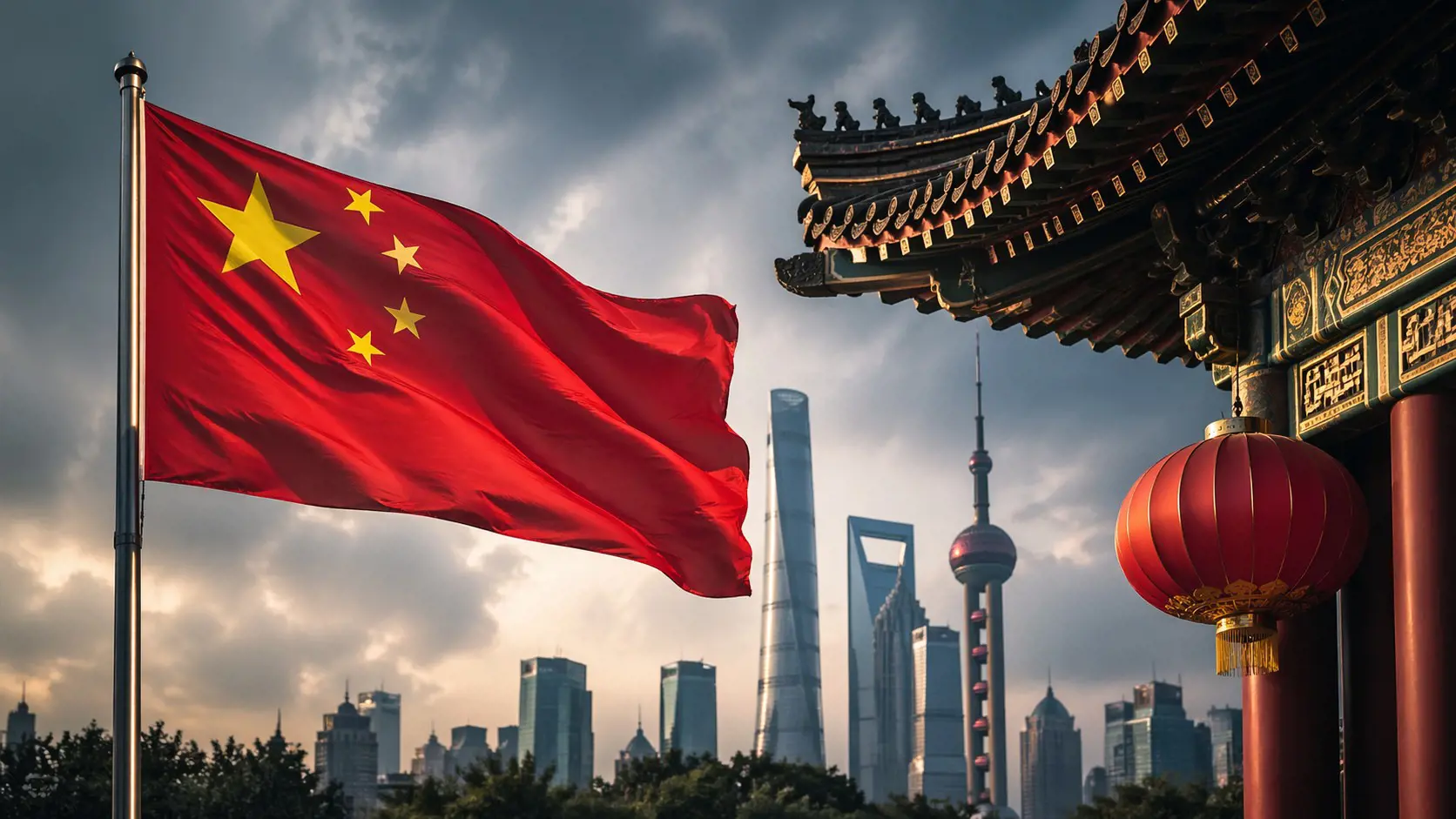
China’s evolving economic and trade policies are reshaping global manufacturing, technology markets, investment flows, and international supply chains. This report examines China’s industrial strategy, recent trade and technology measures, and their implications for the emerging global economic order, while outlining how the World Business Organization (WBO) can facilitate international partnerships, market diversification, and sustainable business opportunities.
Font Size
1x
Reading time: 3 min