




The New Geography of Global Trade: Why Supply Chain Resilience Matters
Global trade is undergoing a structural transformation. Geopolitical tensions, regional conflicts and changing trade policies are encouraging businesses to rethink where they source materials, manufacture products and establish commercial partnerships.
According to the World Trade Organization (WTO), global merchandise trade is projected to grow by 3.9% in 2026, supported partly by strong demand for artificial intelligence-related products. However, this growth masks significant differences across regions and industries, with some economies more exposed to geopolitical disruptions and rising energy costs.
From Efficiency to Resilience
For decades, many companies prioritized cost efficiency when designing their supply chains. Today, reliability, flexibility and risk management are becoming equally important.
For example, a manufacturer that previously depended on a single country for essential components may now seek suppliers in several markets. Although this approach can increase short-term costs, it can also reduce the risk of production delays when trade restrictions, transportation disruptions or political tensions affect a particular region.
This shift is creating opportunities for emerging economies to attract investment, develop industrial capacity and strengthen their participation in international value chains. Yet, benefiting from these opportunities requires reliable infrastructure, skilled workers, transparent regulations and access to international financing.
The Importance of International Business Cooperation
Supply chain diversification is not simply a logistical decision. It increasingly depends on the ability of businesses to identify reliable partners, understand foreign markets and establish long-term relationships across borders.
International business organizations can help facilitate this process by connecting companies, sharing market intelligence, supporting business delegations and encouraging cooperation between national business communities.
For the World Business Organization (WBO), this changing environment presents an opportunity to strengthen international commercial networks and help businesses explore new markets. By facilitating cross-border partnerships, promoting investment opportunities and supporting small and medium-sized enterprises, WBO can contribute to a more resilient and interconnected global economy.
The organization can also encourage dialogue between businesses and policymakers to promote predictable trade conditions and reduce unnecessary barriers to international cooperation.
Looking Ahead
The future of global trade will depend not only on the volume of goods exchanged, but also on the strength and adaptability of the networks connecting businesses and economies.
For WBO, the priority is clear: turn global economic uncertainty into opportunities for cooperation, investment and sustainable business growth.
WBO Snapshot | Insight into the trends shaping global business.
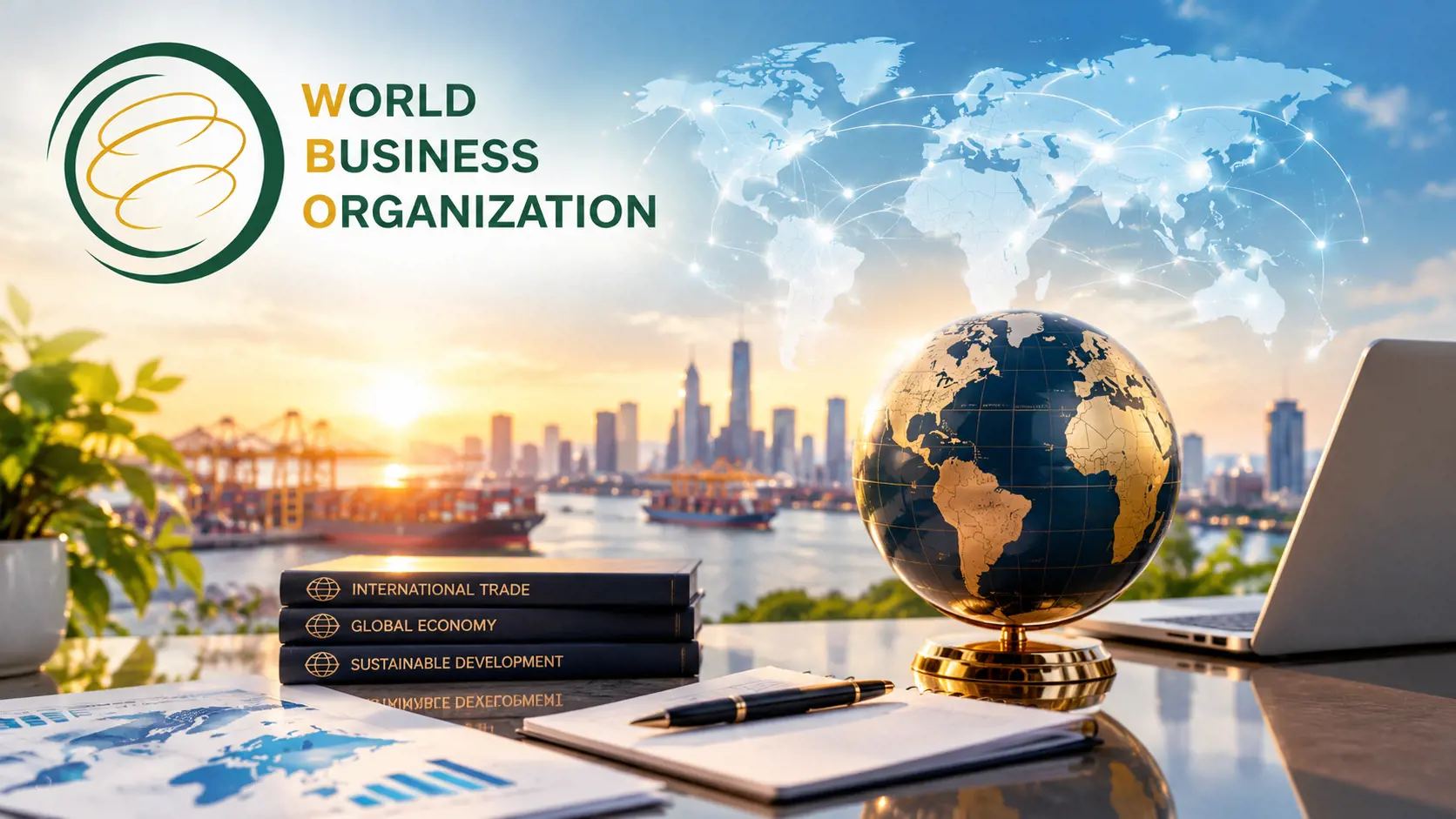
Global trade is shifting from cost-driven efficiency toward resilience and strategic diversification. WBO Snapshot explores how supply chain transformation creates new opportunities for international investment, cross-border partnerships, and sustainable business growth, highlighting WBO’s role in strengthening global economic cooperation.
Font Size
1x
Reading time: 2 min